AI Publishing Pipeline: Engineering Content Velocity
Learn how to build an AI publishing pipeline that automates content creation, reactivates dead assets, and elevates you from writer to editor-in-chief.
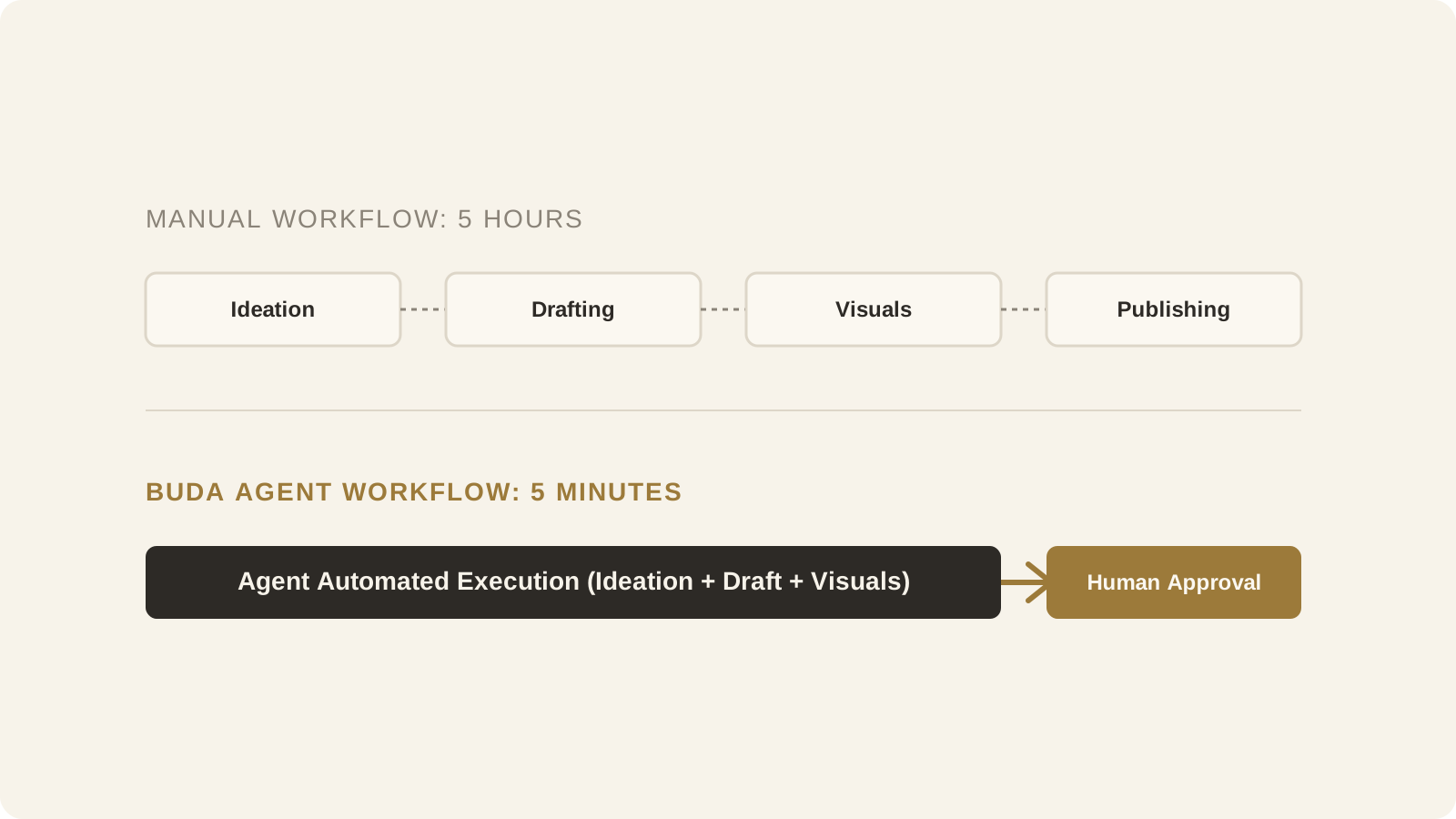
Four to five hours. That’s the industry average for producing a single high-quality blog post.
You research the topic, draft the copy, wrestle with markdown formatting, and spend 45 minutes searching for an image that isn’t painfully obvious stock photography. Finally, you hit publish.
For marketing teams, this manual assembly line is a massive operational bottleneck. It drains creative energy and limits output. To scale your brand's voice, you don't need more writers. You need an AI publishing pipeline.
By shifting from manual execution to engineering-grade content velocity, you can turn a 5-hour chore into a 5-minute approval process. Here is how it works.
The 5-Minute Publishing Pipeline
Modern content platforms—whether it’s your WordPress site, Medium, or LinkedIn—run on clear, predictable rules. Where there are rules, AI agents thrive.
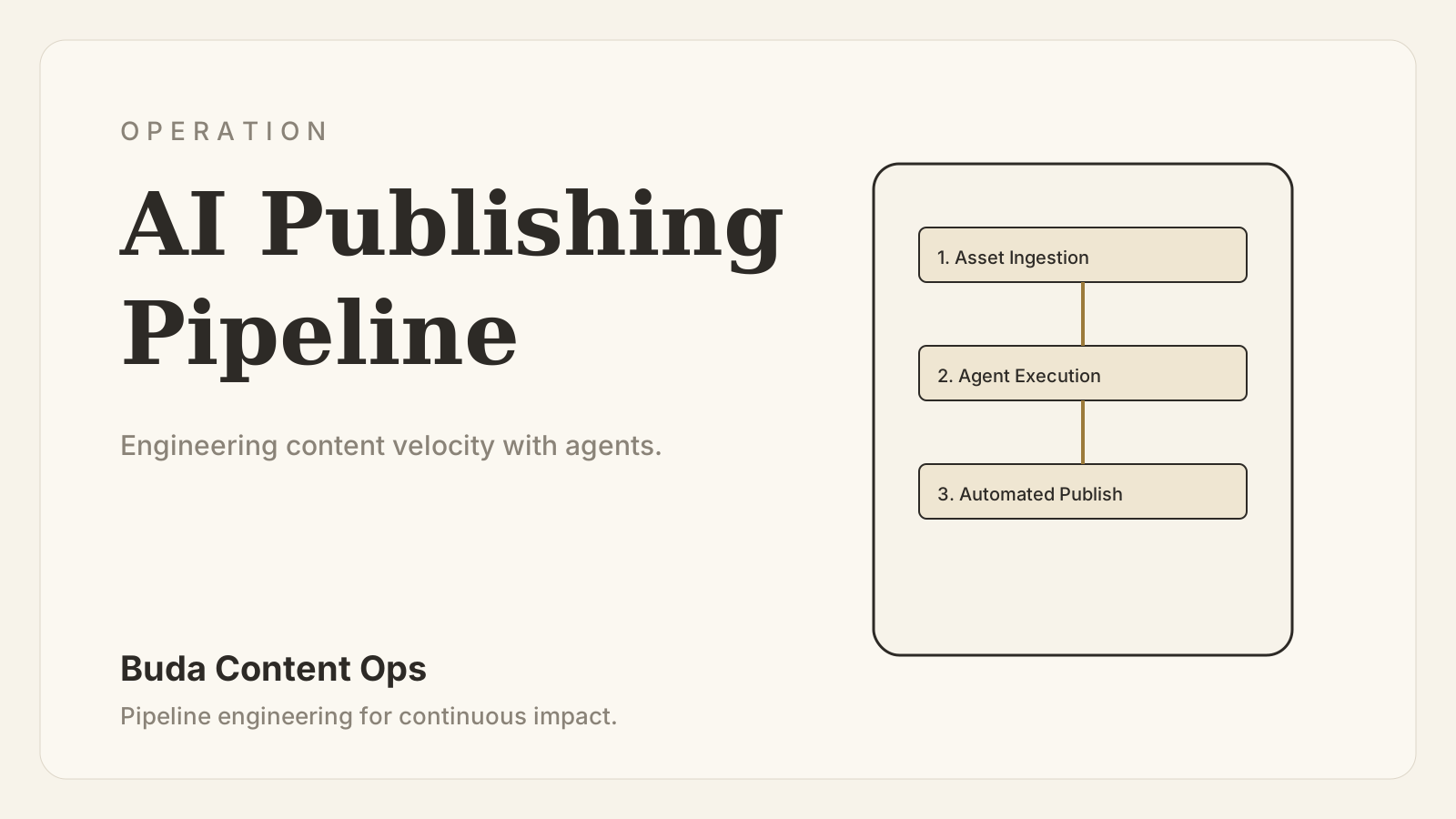
By building an autonomous pipeline with Buda, you engineer the entire publishing lifecycle:
- Context Ingestion: We don’t just feed an agent a prompt. The agent pre-loads your brand guidelines, past articles, and formatting rules. It understands how your company sounds.
- The Execution Loop: The agent scans for relevant industry trends, drafts the text, generates vector illustrations (like the ones in this post), and formats the final markdown.
- Automated Delivery: The final product drops directly into your CMS as a draft.
This isn't about replacing quality with quantity. It’s about stripping away the friction of execution.
Waking Up Dead Assets
Automating new content is only half the battle. The true commercial value of an AI publishing pipeline lies in reactivating enterprise digital assets.
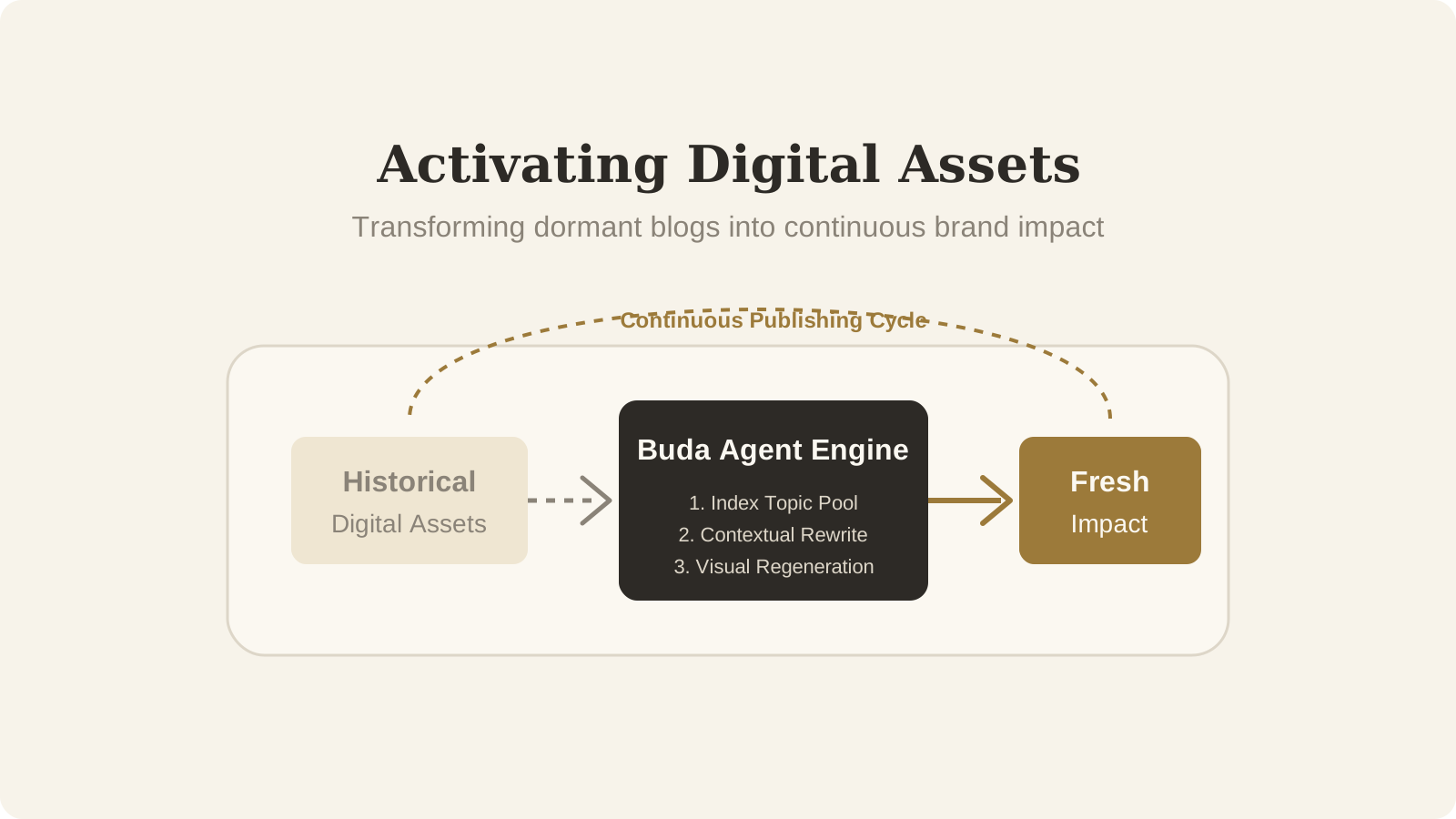
Most companies are sitting on a goldmine of historical content. Three-year-old technical deep-dives, forgotten white papers, and outdated product announcements. Once published, they effectively die. AI automation breaks this cycle:
- The Intelligent Topic Pool: Agents can index your entire historical content library, automatically identifying tags and topics that haven't been touched recently to prevent duplicate content.
- Contextual Reconstruction: An agent pulls a technical article from 2023, cross-references it with your 2026 product updates, and rewrites it with a fresh perspective.
This mechanism turns sunk costs into sustainable growth assets, keeping your brand relevant across multiple channels without lifting a finger.
You Are Now the Editor-in-Chief
As we established when we first introduced Buda, our philosophy on human-AI collaboration is simple: Humans act as the managers, while agents handle the execution.
When you hand the tedious formatting, drafting, and asset generation over to autonomous agents, your role evolves.
- You are no longer a typist. You define the topic pool, the strategic direction, and the brand tone.
- You no longer fight with formatting. You review the agent's drafted options, apply your judgment, and decide if it fits your strategy.
An AI publishing pipeline doesn't mechanize your content—it elevates it. When five hours of manual execution vanish, the value of your work returns to what actually matters: insight, logic, and taste.
Ready to stop typing and start managing?
Head over to buda.im and build your first autonomous publishing agent today.