Claude Opus 5.5 on Buda
A stronger Opus for work that has to keep going: large code changes, multi-app operations, deep research, and reviewable deliverables inside one persistent agent workspace.
Anthropic positions Opus 5.5 for long-running agentic coding and knowledge work. At its default medium effort, it can match or exceed Opus 5 at high effort on demanding work while using fewer steps and tokens. That matters when an agent must inspect context, use tools, recover from errors, validate its work, and return something a person can actually review.
In Buda, the model is only one layer. Files, browser sessions, terminal work, artifacts, and visible tool calls keep the work inspectable from start to finish.
Start with Buda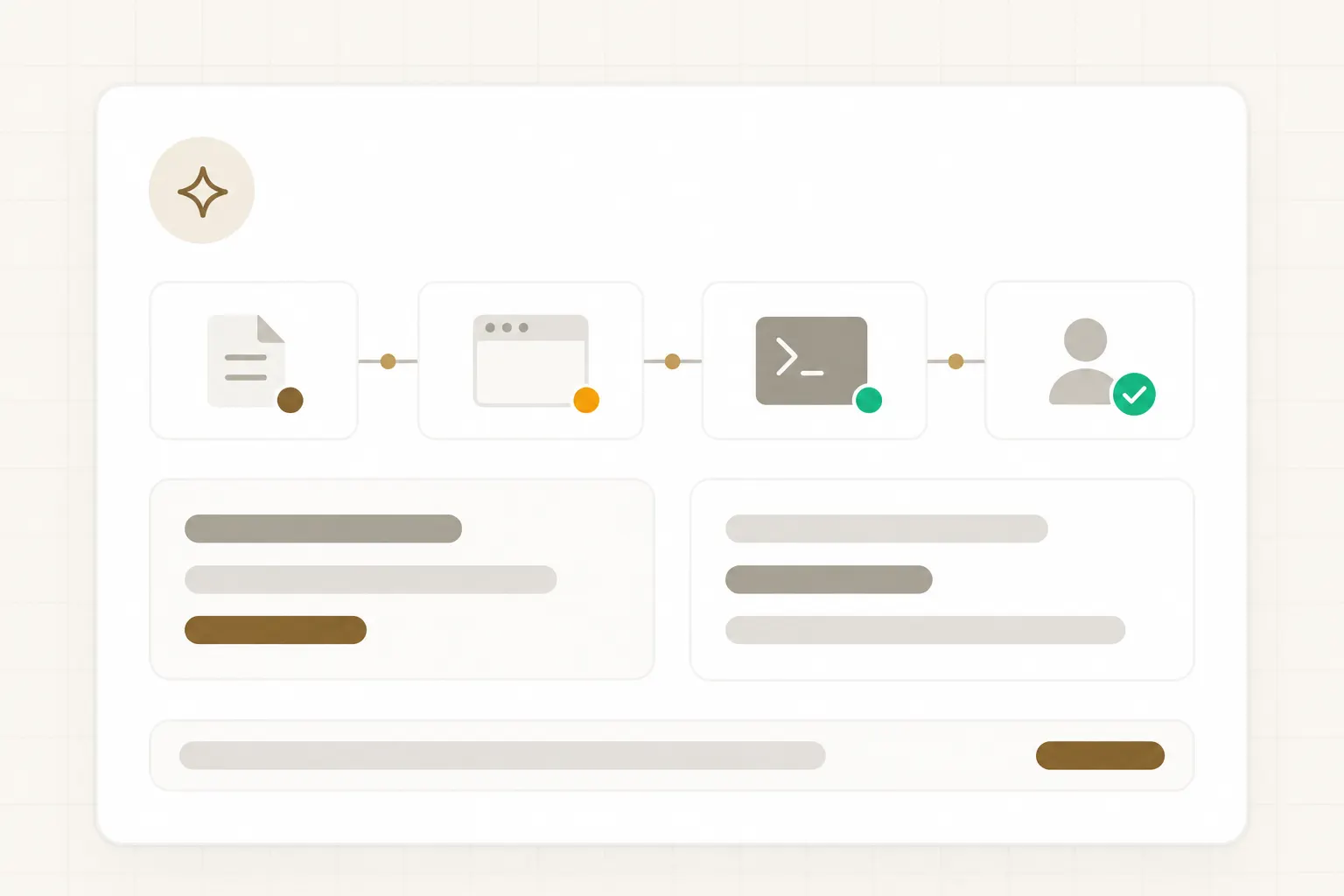
More capable does not have to mean more wasteful.
The useful gains are operational: fewer loops, clearer handoffs, and stronger performance at a lower default effort.
Long runs hold together
Opus 5.5 is designed to sustain multi-hour audits, migrations, and investigations with less rework and fewer dead ends.
Medium is the new default
Anthropic recommends starting at medium effort. Reserve xhigh or max for work where your own evaluation proves the extra thinking pays off.
Clearer while it works
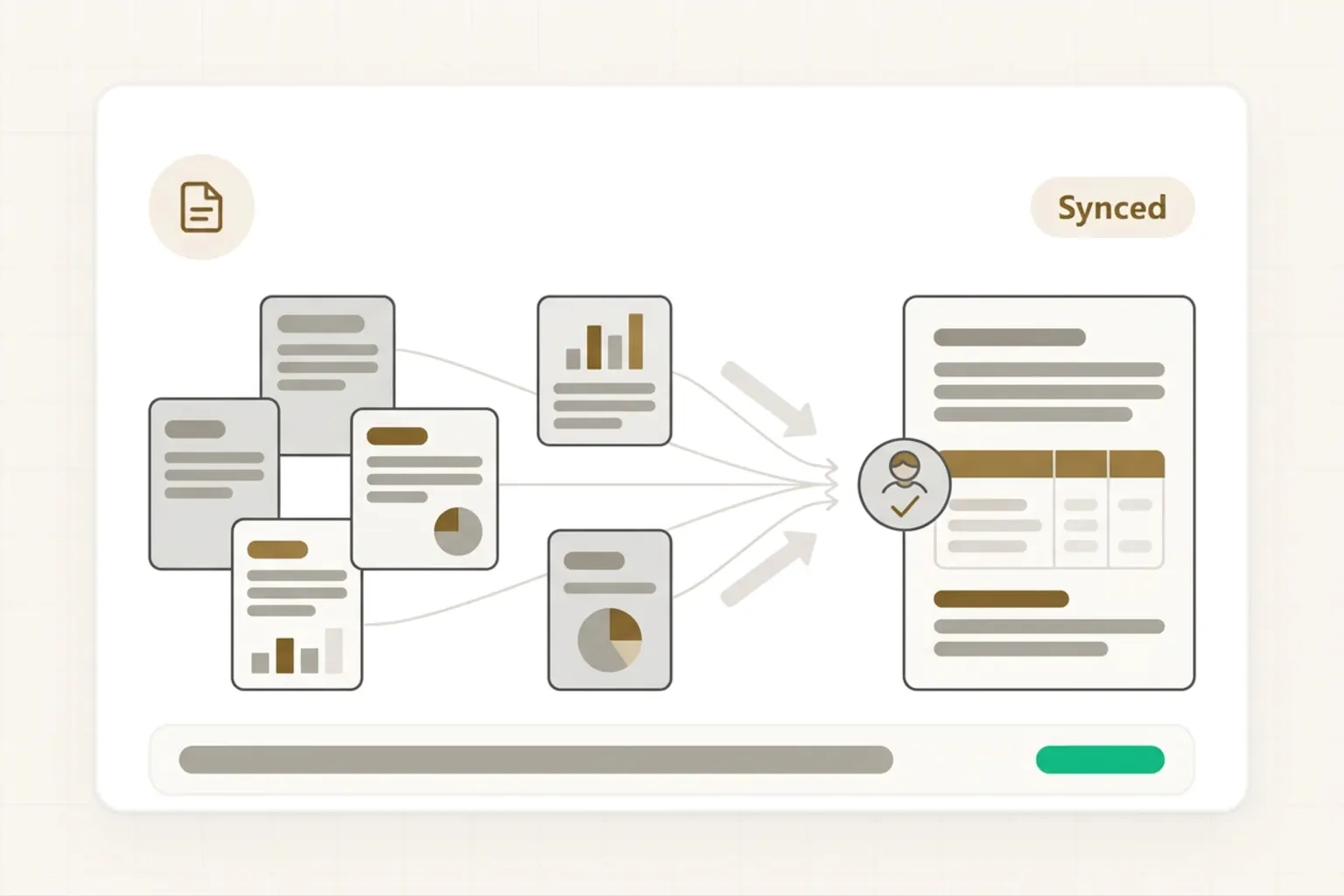
Progress updates and final summaries put the important information first, making long agent sessions easier to supervise.
Safer around boundaries
Anthropic reports stronger prompt-injection resistance and fewer attempts to cross containment boundaries, while noting that safeguards and human review still matter.
Use Opus 5.5 when the workflow must survive contact with real work.
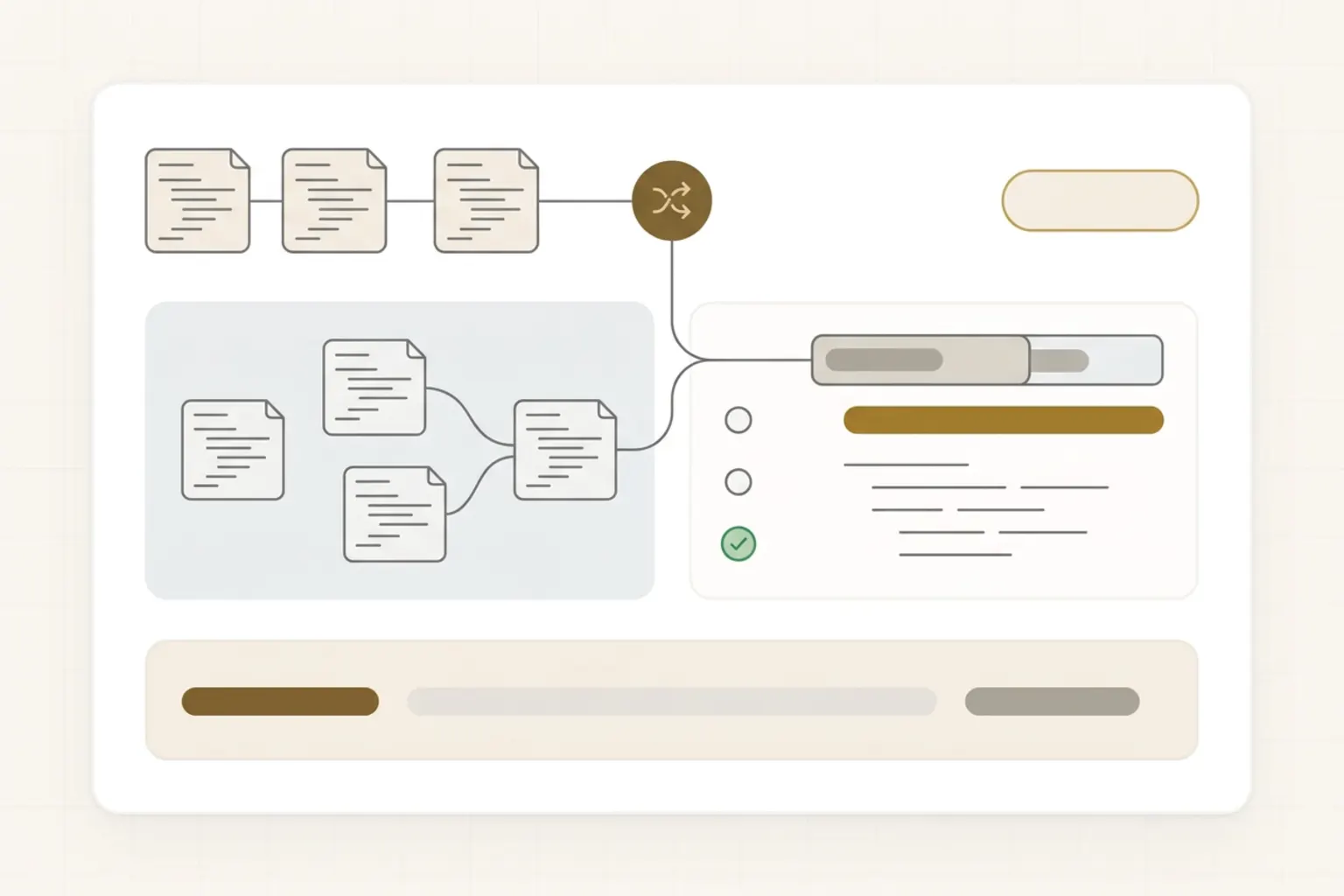
The model is most valuable when a task spans many decisions, tools, files, or revisions. Routine high-volume steps can still belong to a faster model.
Choose by the work, not by the leaderboard.
A practical model stack keeps routine execution efficient and brings in deeper reasoning only where it changes the outcome.
| Work | Claude Sonnet 5 | Claude Opus 5.5 | Claude Fable 5.1 |
|---|---|---|---|
| High-volume classification and extraction | ✓ | ||
| Everyday drafting and routine execution | ✓ | ✓ | |
| Large code changes and difficult debugging | ✓ | ✓ | |
| Multi-source research and knowledge work | ✓ | ✓ | |
| Long unattended agent runs | ✓ | ✓ | |
| Highest-stakes frontier work | ✓ |
Start with Opus 5.5 when the task is genuinely complex. Use a faster model when repetition and throughput matter more, and use Fable only when its additional capability has a measured benefit.
Longer autonomy needs clearer review boundaries.
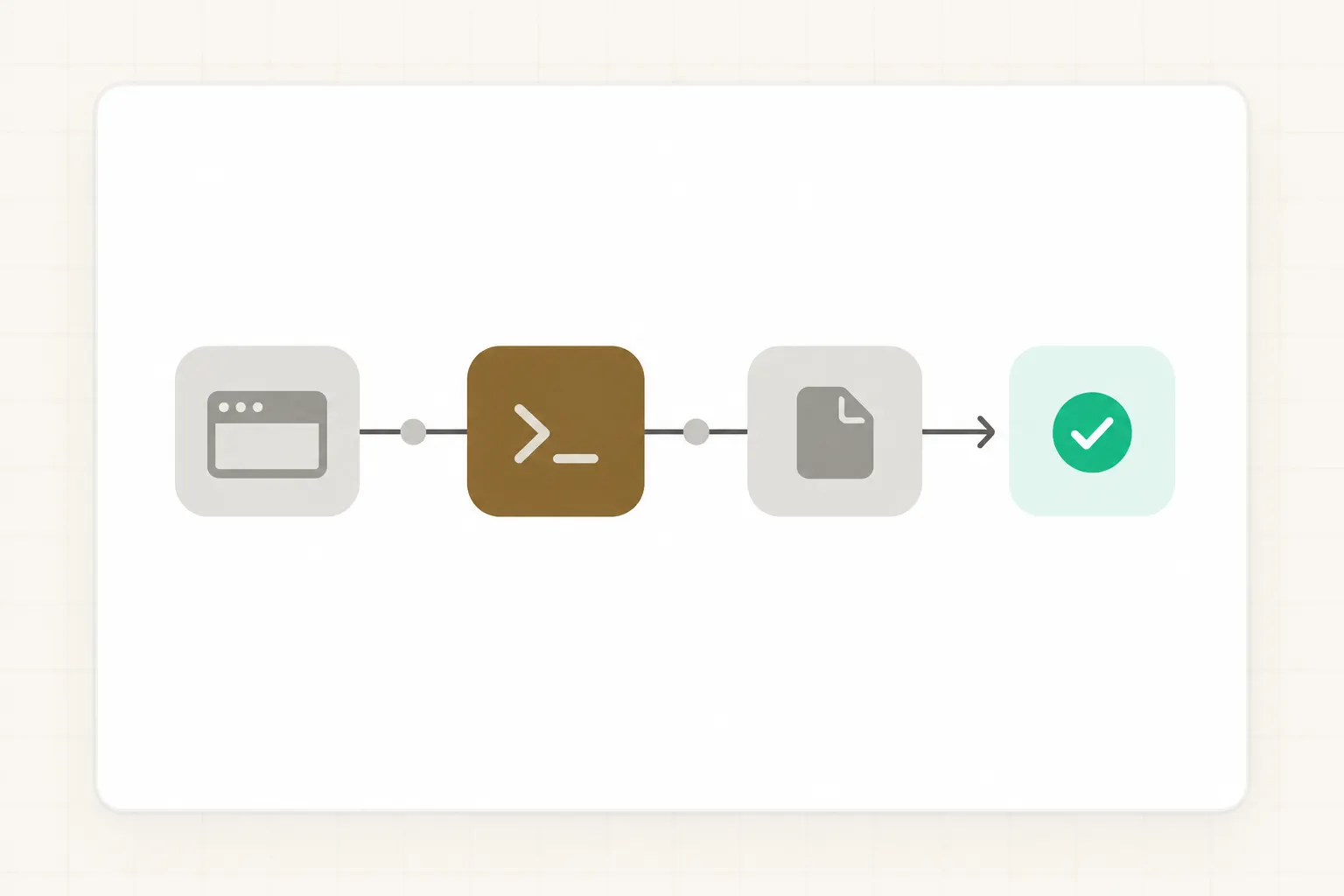
Opus 5.5 can carry more work end to end, but capability is not permission. In Buda, humans still decide what the agent may access, which actions require review, and what is allowed to leave the workspace.
| Human control | Longer autonomy needs clearer review boundaries. |
|---|---|
| 1 | Set the outcome and constraints |
| 2 | Let the agent work across approved tools |
| 3 | Inspect artifacts, diffs, and evidence |
| 4 | Approve consequential output |
Buda access, Credits, and supported surfaces.
Claude Opus 5.5 is available to Spaces with an active paid subscription. Purchasing extra Credits alone does not unlock this subscription model. Buda displays a 1.3× multiplier relative to Claude Sonnet 5 at 1.0×. This is not a fixed charge per task: actual Credits depend on input, output, caching, tool calls, and minimum-charge rules. Anthropic API dollar prices are a separate pricing system.
| Buda availability | Now available in Buda |
|---|---|
| Rollout | Now available in Buda |
| Credit multiplier | 1.3× — Claude Sonnet 5: 1.0× |
| Plan access | Claude Opus 5.5 is available to Spaces with an active paid subscription. Purchasing extra Credits alone does not unlock this subscription model. |
| Available surfaces | Open the Agent responsible for the work and select Claude Opus 5.5 in the chat input’s model picker. Existing Agent files and task materials remain available. |
Claude Opus 5.5 FAQ
What is Claude Opus 5.5?
Claude Opus 5.5 is Anthropic's current Opus model for long-running agentic coding and knowledge work. It has a 1M-token context window, up to 128K output tokens, adaptive thinking that is always on, and medium as its default effort level.
How is Claude Opus 5.5 different from Opus 5?
Anthropic reports more than 30% faster output and about 40% lower total cost on typical workloads at default settings. It also tends to finish demanding tasks with fewer steps and tokens, communicates more clearly, and performs better on long-running work.
Is Claude Opus 5.5 available on Buda?
Claude Opus 5.5 is available to Spaces with an active paid subscription. Purchasing extra Credits alone does not unlock this subscription model. Open the Agent responsible for the work and select Claude Opus 5.5 in the chat input’s model picker. Existing Agent files and task materials remain available.
What is Claude Opus 5.5 best for?
It is best suited to large code changes, difficult debugging, multi-source research, financial and operational analysis, multi-app workflows, computer use, and other work that needs sustained tool use and reviewable outputs.
Should every Buda task use Opus 5.5?
No. Repeated extraction, classification, and low-risk drafting often belong on a faster model. Use Opus 5.5 where deeper reasoning, stronger follow-through, or fewer failed loops materially improve the result.
Does Opus 5.5 replace human review?
No. It can complete more of a workflow, but people still set scope, permissions, acceptance criteria, and approval boundaries. Consequential actions should remain explicitly reviewable.
Give Claude Opus 5.5 a workspace, not just a prompt.
Keep the files, tools, execution trail, and final judgment together in Buda so a capable model can do more without taking control away from people.
Create a Buda account