Buda vs Devin: Who receives and accepts the next piece of work?
Compare testing evidence, environment responsibility, and the cost of handing engineering results to another function.

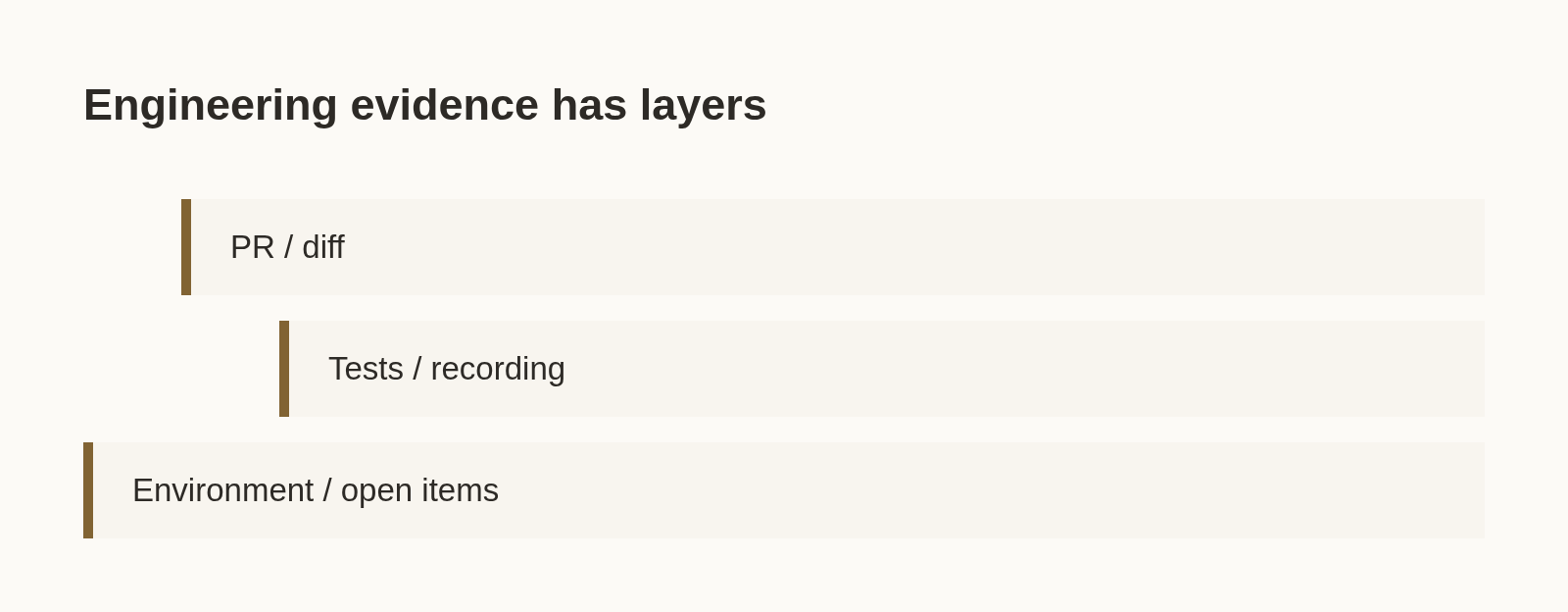
Code can be finished while the work around it remains unfinished. An engineer still checks regressions, a product owner verifies shipped behavior, and a customer team needs an accurate explanation. AI can accelerate each part, yet a broken evidence trail makes the next person investigate everything again.
That handoff cost matters when choosing Buda or Devin. Can Devin’s tests, recordings and PR let the maintainer accept the change confidently? Can Buda’s retained files and context help another owner continue without reconstructing the assignment? A capability list answers neither question by itself.
Devin’s current product includes cloud and local execution, browser tests, recordings, parallel tasks and automation. Buda also has terminal, Git, browser and persistent files. Start with the acceptance step that costs your team most: producing credible engineering evidence or turning that evidence into the next usable deliverable.
Start with Devin’s testing evidence
Devin centers on advancing an engineering problem to a reviewable code result. Its public product surface describes repository understanding, implementation, browser end-to-end tests, test recordings, and pull requests, with Windows, Mac, and Linux virtual machines available as needed. That continuous evidence is useful when software must work through an actual interface.
These are vendor-described capabilities, not an independent test here. Evaluate one real issue in your own stack, from reproduction through implementation and regression checks. The engineer responsible for maintaining the system should decide whether the result is mergeable. A homepage demonstration does not validate your dependencies or test accounts.
Both runtime choices still leave responsibilities
Devin explicitly supports cloud and local work. Buda provides a cloud workspace and can connect to a computer through Connector. Ask who installs dependencies, maintains accounts, interprets build failures, and keeps work running when a machine goes offline. Location alone answers none of those questions.
Buda’s Drive retains files across sessions, while tools and external connections are configured per agent. Persistent materials support continuing work, but persistence does not prove sufficient testing. An available connection also does not establish authorization to change the external system.
Pass facts beyond the PR
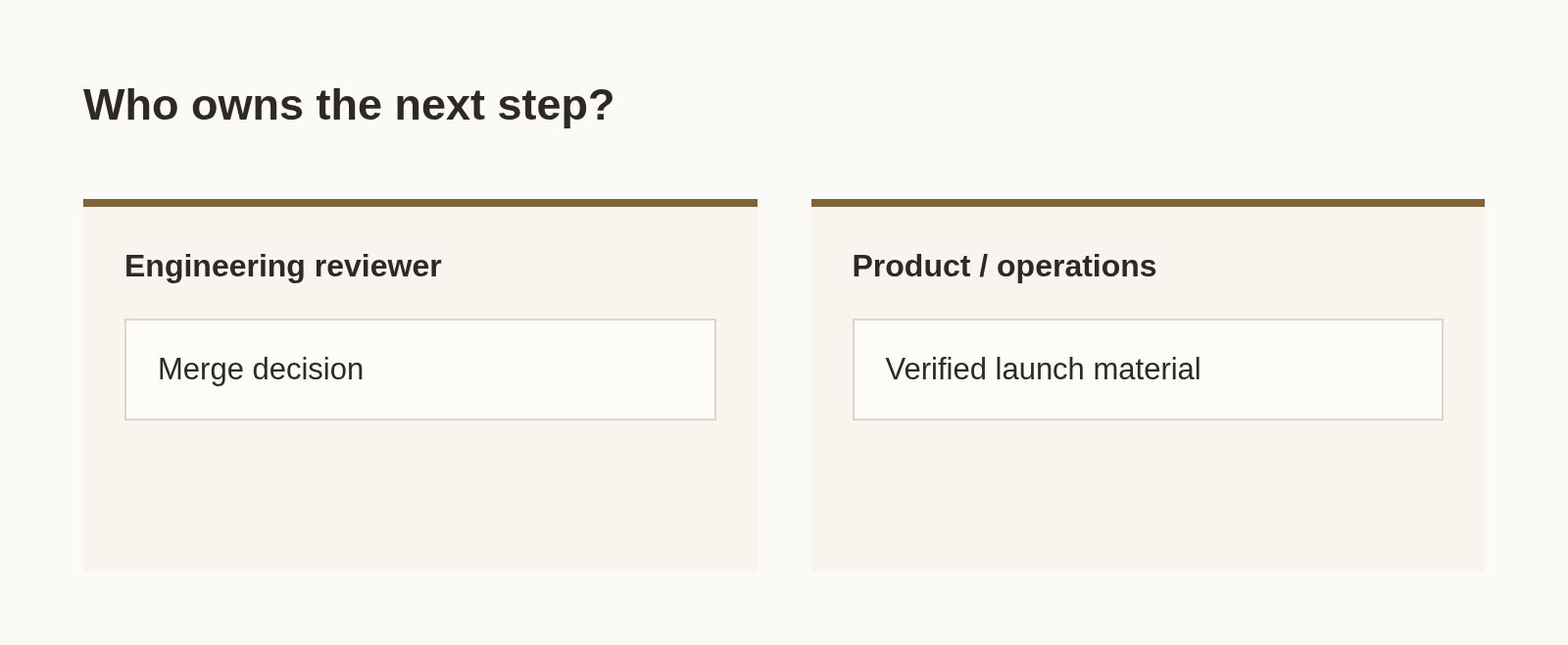
A release can require implementation, customer-facing explanation, screenshots, and follow-up. Devin can advance the engineering task; a team can use Buda to build the surrounding cross-functional workflow. Give the next owner the evidence they need rather than copying an ambiguous request to two agents.
An engineering handoff should identify the PR, checks, applicable environment, and unresolved items. A content or operations owner then verifies production behavior and publishable claims. An opened PR is not a deployed feature, and generated launch copy is not itself evidence of product behavior.
Run two different acceptance exercises
First, select a real engineering issue with reproduction and acceptance conditions. Inspect the diff, test coverage, whether the recording is useful, and how much work the maintainer must add. Measure accepted results and rework rather than agent message volume.
Then test a real handoff using the same verified engineering evidence. Ask the downstream owner for the document or file they actually need. Can claims be traced to a version? Can the output be edited? Does the next revision require reconstructing all context? This is a proposed evaluation method, not a claim that these products have passed a head-to-head trial.
Read subscriptions together with usage
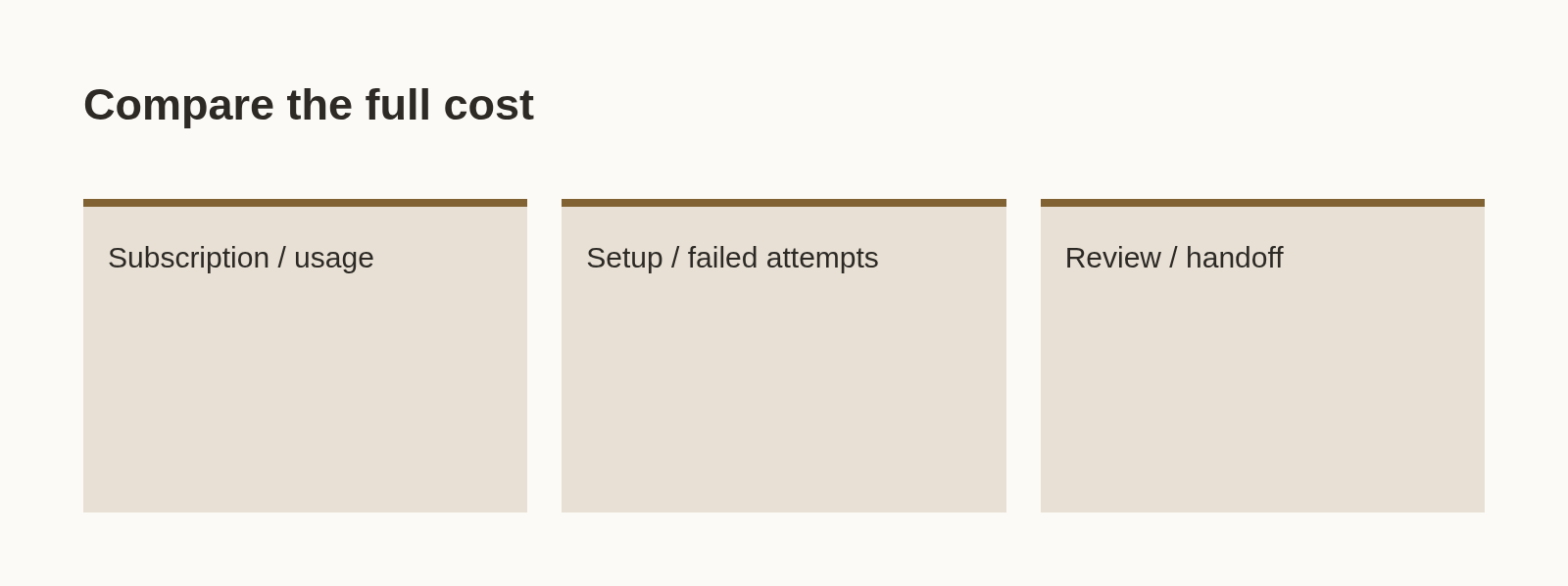
Devin’s pricing page lists Free, Pro at $20 monthly, Max at $200 monthly, and Teams at $80 monthly plus $40 per full developer seat; Enterprise is quoted separately. Paid plans include usage allowances, with additional usage described as charged at API pricing. The monthly fee is not unlimited task execution.
For Buda, use its current public pricing to check plans and Credits, then consider model and tool use. For either option, add environment setup, reviewer time, failed attempts, and handoff rework. A subscription-only comparison cannot establish accepted-task cost.
Delegate the bottleneck first
If the main constraint is turning engineering issues into tested, reviewable PRs, evaluate Devin’s end-to-end engineering path first. If recurring friction is collecting sources, producing cross-functional files, continuing browser work, and reusing outputs, use Buda to build that segment. Keep a healthy engineering process and connect only the downstream evidence that is needed.
The Codex comparison concerns parallel coding coordination, while the Copilot comparison concerns GitHub as the work record. For Devin, concentrate the trial on engineering evidence, environment responsibility, and acceptance at the next handoff.
Questions for a real selection
Is Devin only a completion tool?
No. Evaluate its current full-task engineering, browser tests, recordings, review, parallel work, and automation capabilities.
Does Buda’s ability to write code remove the need for an engineering agent?
A terminal and Git do not establish compatibility with your full delivery process. Test the environment, checks, and maintainer acceptance on a real issue.
How can both avoid repeating work?
Keep one authoritative engineering task and PR. Pass verified evidence downstream with explicit read/write scope and an accountable reviewer for each deliverable. Narrow the trial if those boundaries are unclear.